A digital vehicle inspection is a little different from the old quick walkaround and handwritten notes. Instead of hearing “you need brakes” with no real context, you get photos, measurements, notes, and recommendations you can actually look at.
That changes the conversation.
Most drivers do not mind maintaining their car. What they do mind is feeling unsure about what the shop found, how serious it is, and whether the repair can wait. A digital inspection gives you a clearer view of the vehicle without having to stand under it with a flashlight.
What A Digital Vehicle Inspection Includes
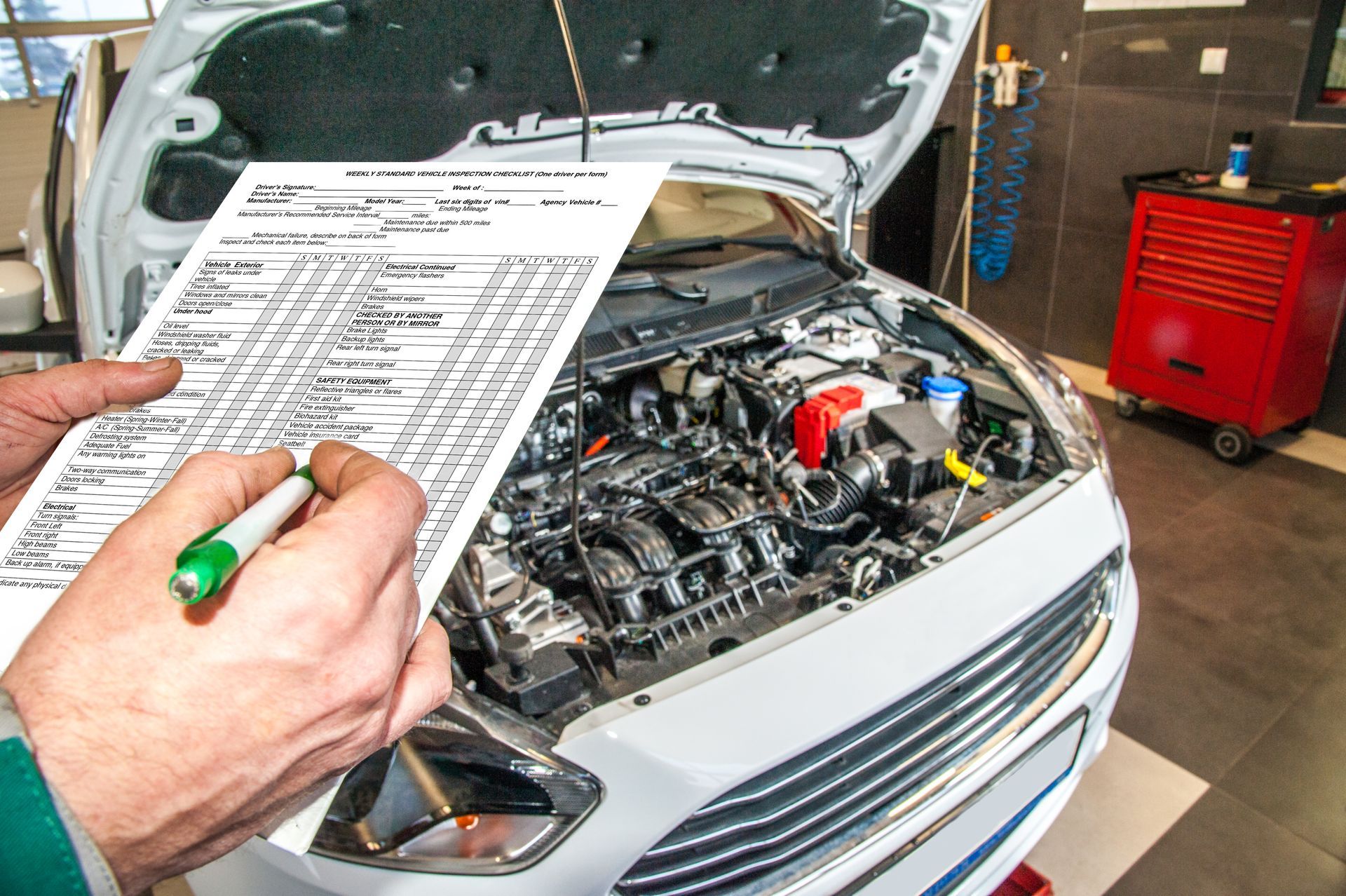
A digital vehicle inspection, often called a DVI, is a report generated while a technician inspects the vehicle. It may include photos, short videos, technician notes, color-coded findings, measurements, and recommended next steps.
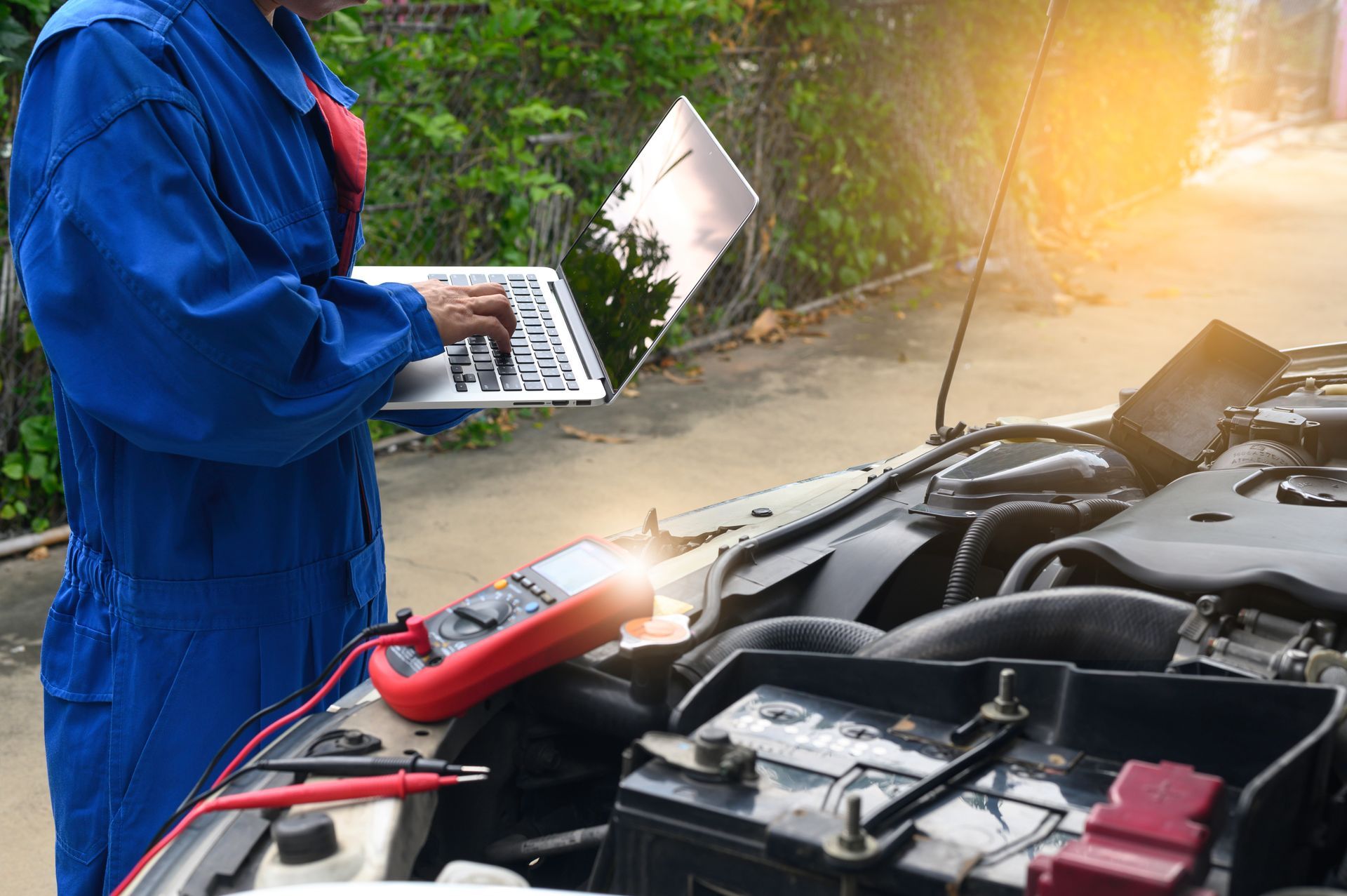
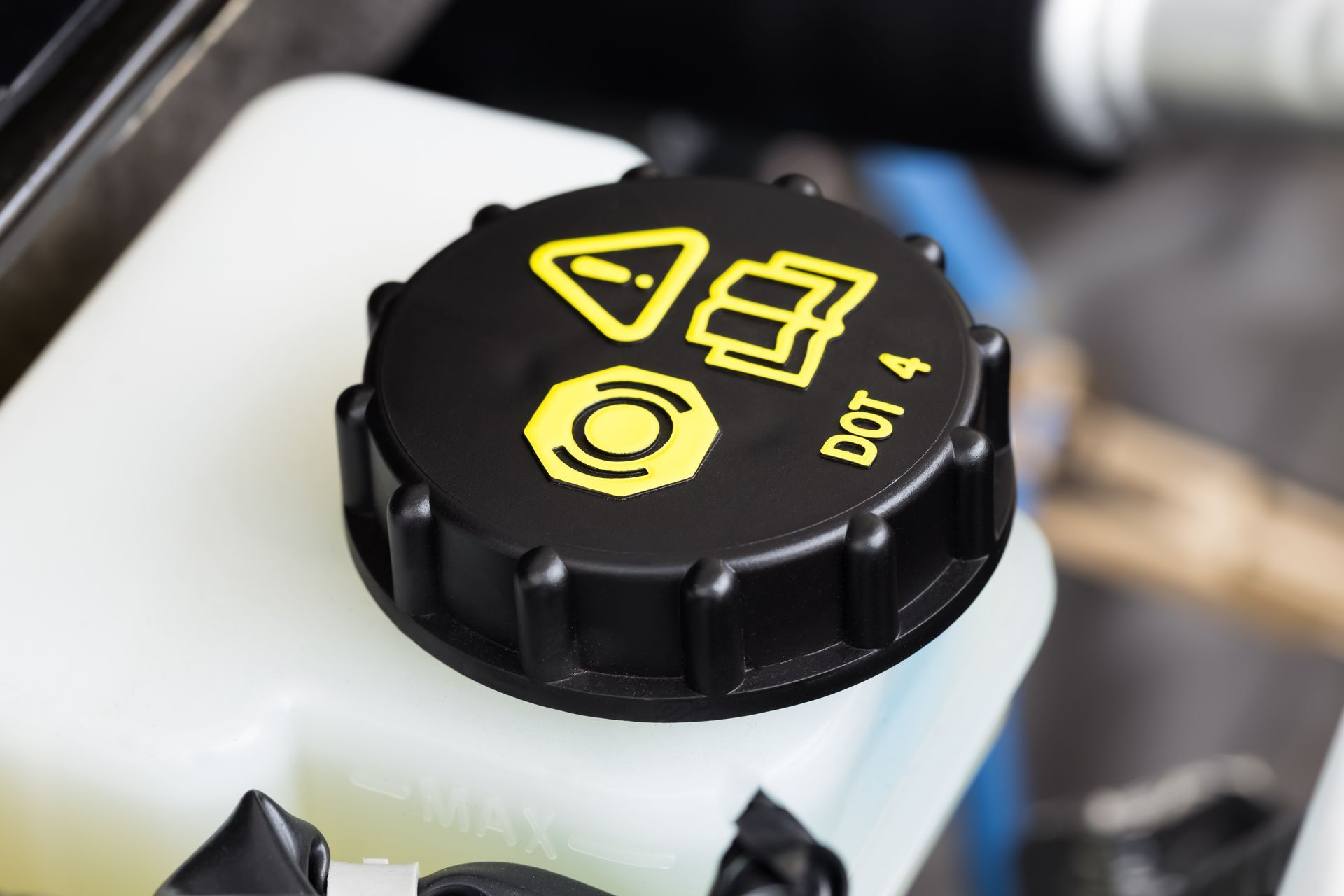
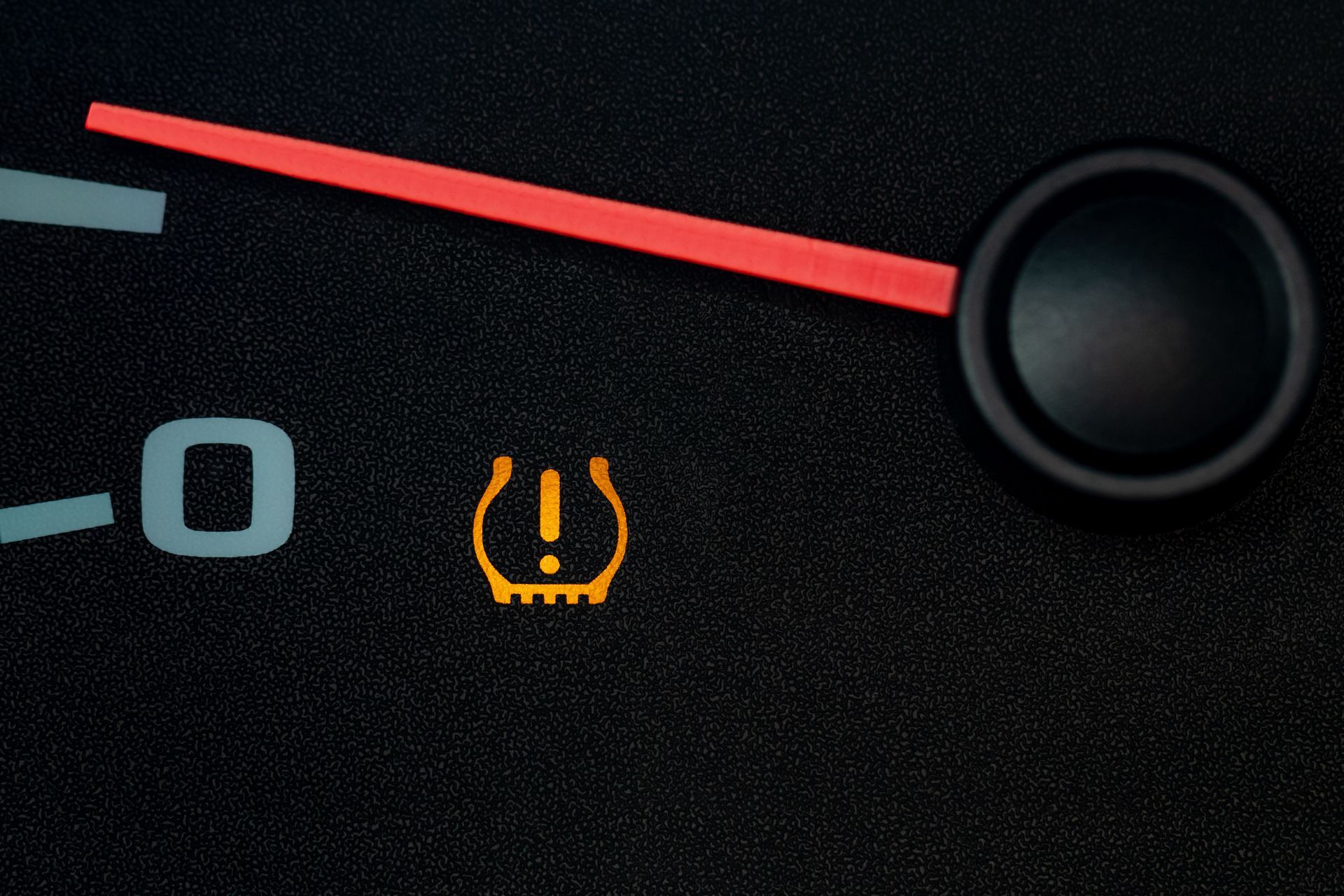
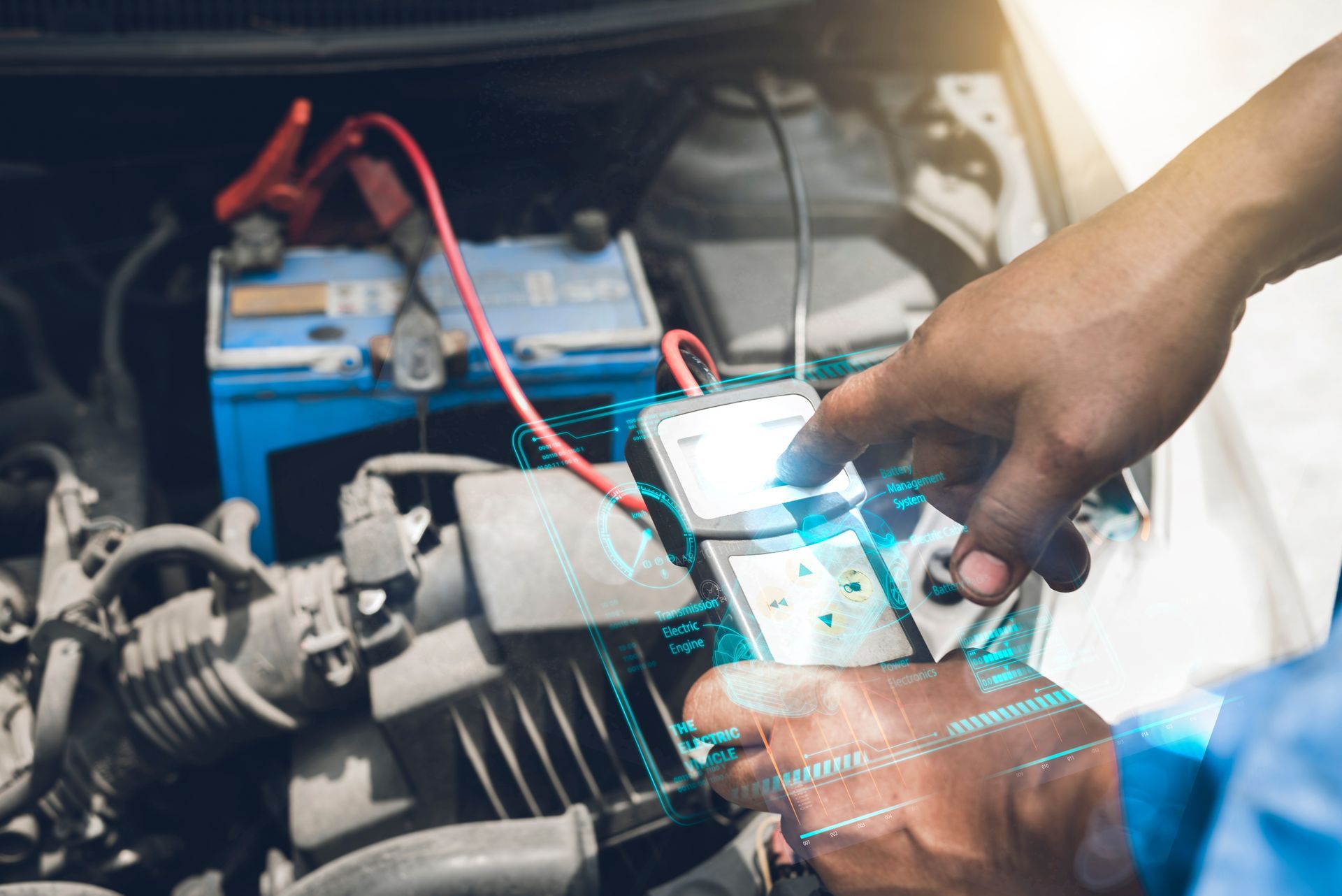
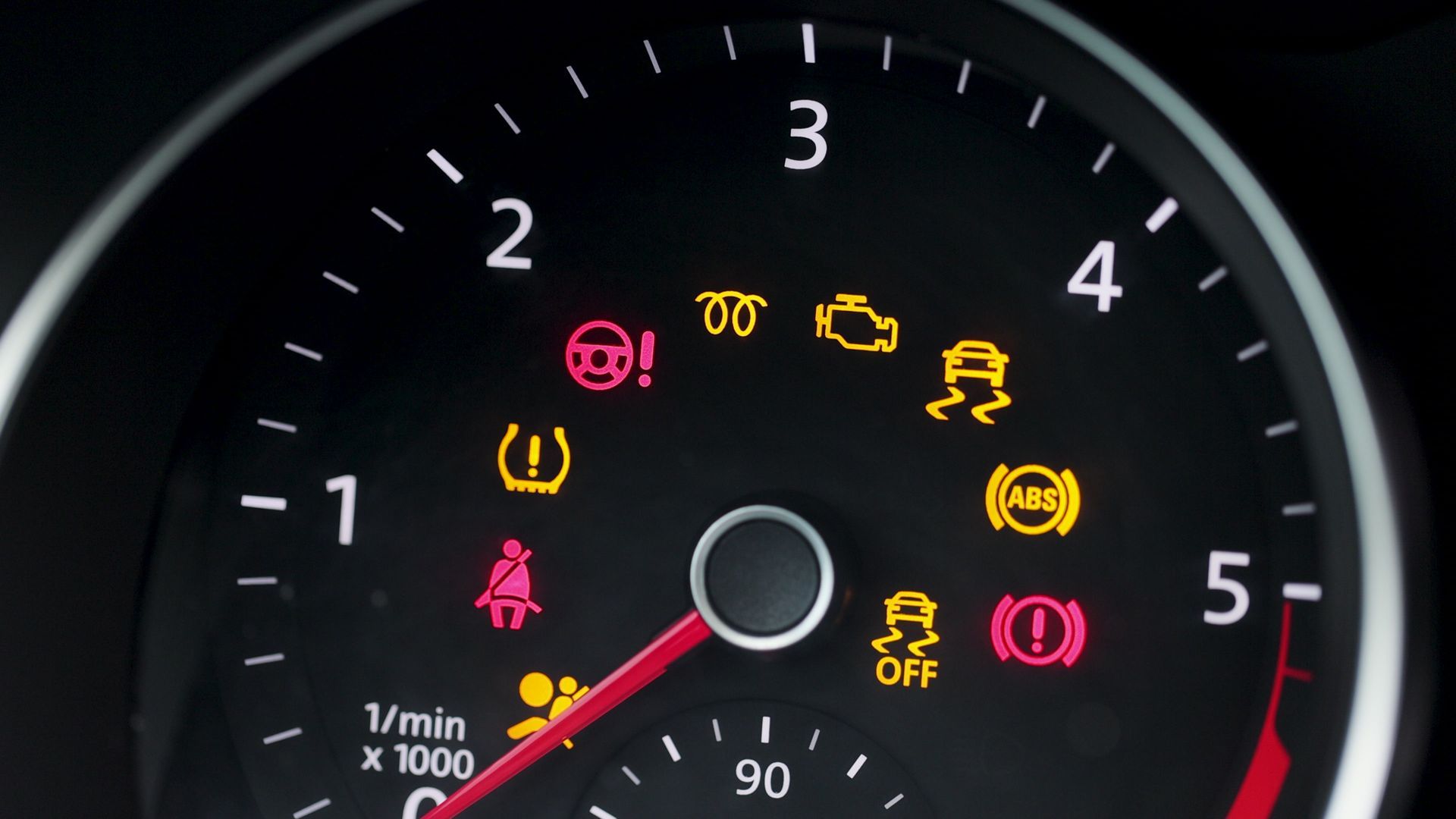
Instead of a vague list, the report shows what was actually seen. That could be tire tread depth, brake pad thickness, fluid condition, leaks, cracked belts, worn suspension parts, battery test results, or warning lights. If something looks good, that can be documented, too.
A good DVI is not only about finding problems. It also gives you a record of what is still in good shape.
Why Shops Use Photos And Notes
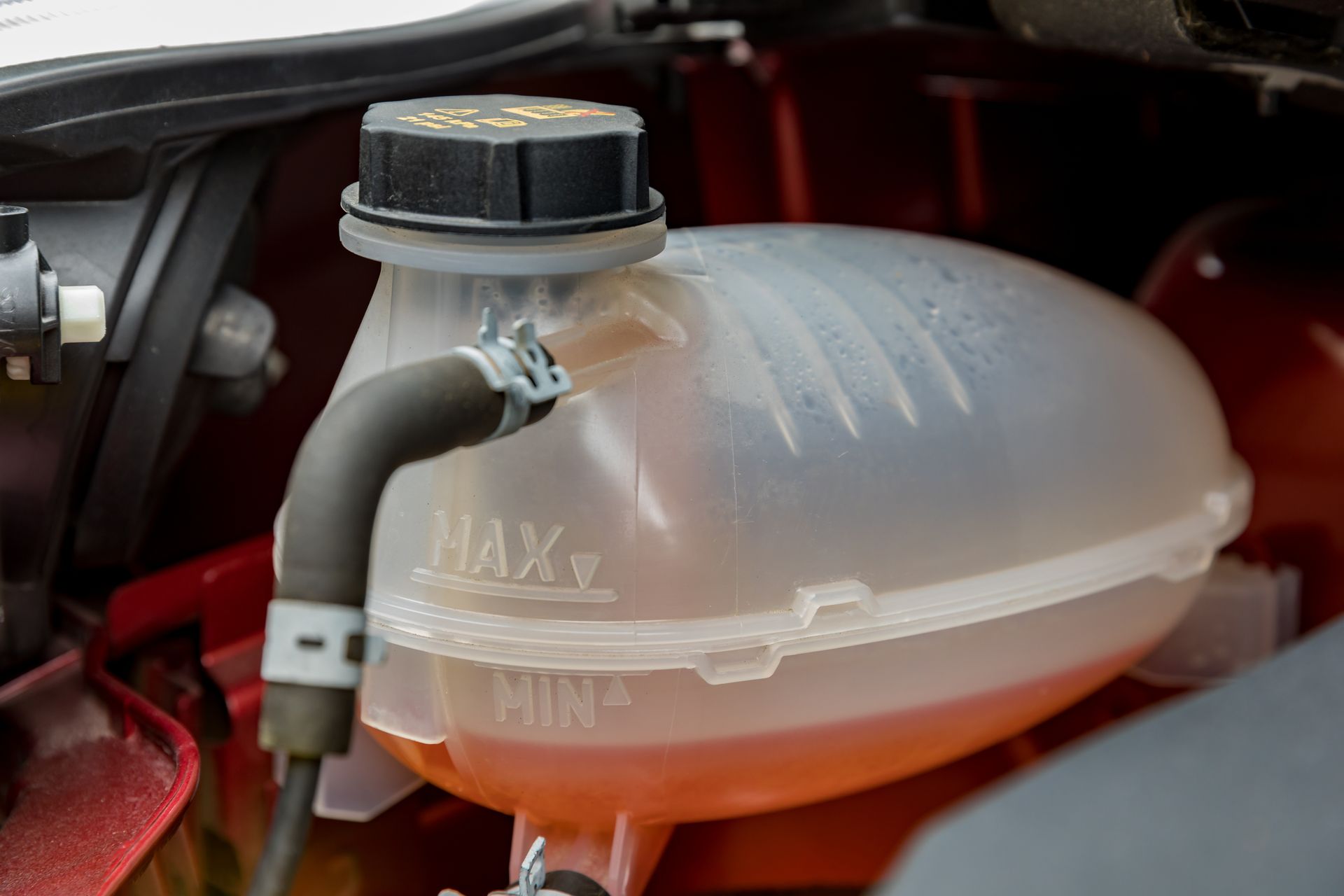
Photos remove a lot of confusion. If a brake pad is thin, you can see it. If a tire is worn on the inside edge, you can see the pattern. If coolant is dried around a hose connection, you can see the crusty residue instead of trying to imagine it over the phone.
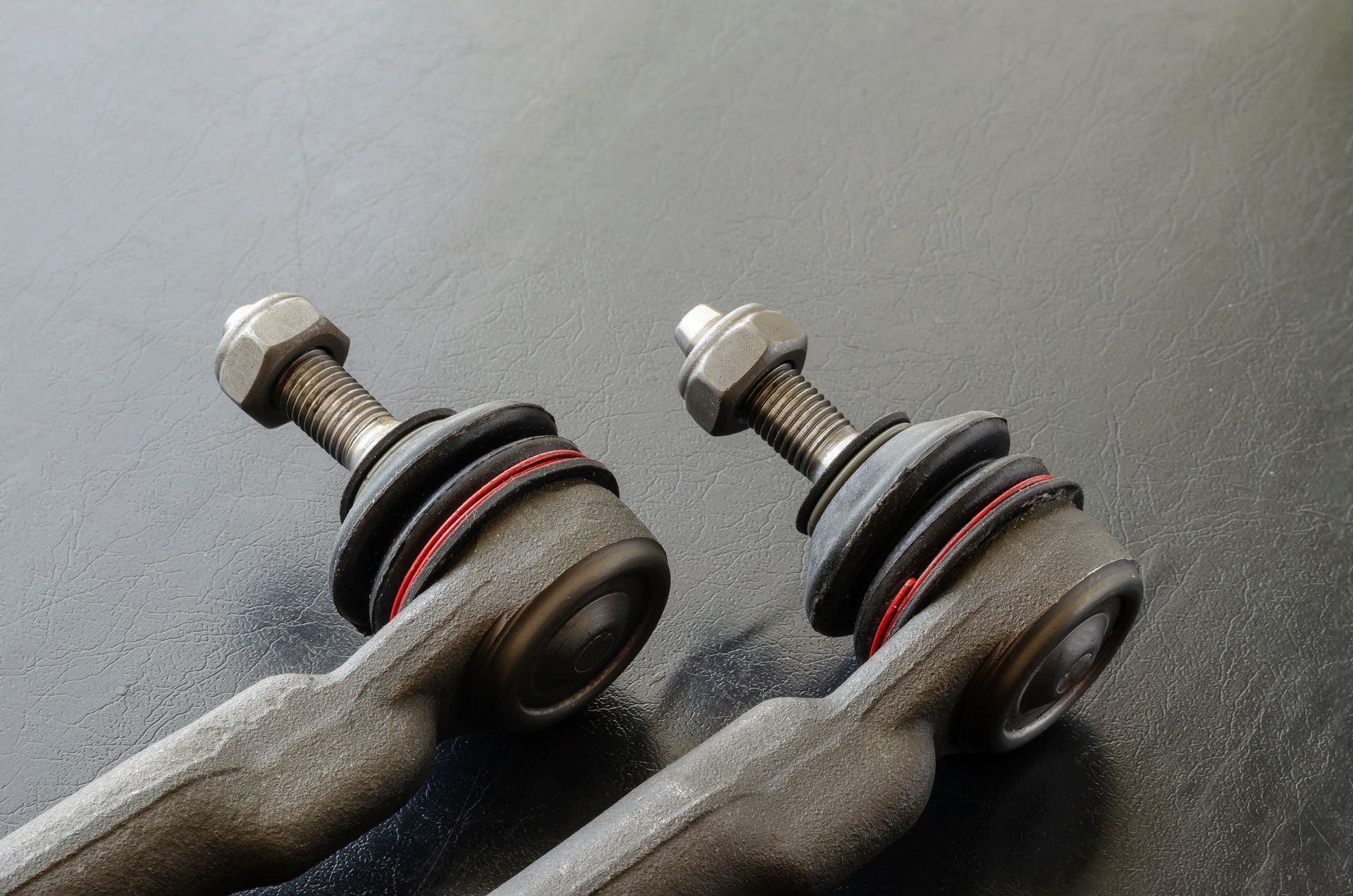
That matters because many car problems hide underneath the vehicle or behind covers. A driver may never notice a leaking shock, a cracked bushing, a torn CV boot, or seepage around a gasket. The DVI gives you a look at those areas before making a decision.
We use those photos to explain, not to pressure. The point is to make the finding easier to understand.
Green, Yellow, And Red Findings
Many digital inspection reports use categories to separate what is good, what should be watched, and what needs attention sooner. Green usually means the item passed. Yellow often means the part is worn, aging, or nearing the end. Red usually means the issue affects safety, reliability, or could cause damage if delayed.
That kind of sorting helps. A dirty cabin filter and a brake fluid leak should not be treated as the same level of concern. Neither should a small oil seep nor a tire with cords showing.
The value is in the priority. You can see what needs action now and what can be planned for a later visit.
It Helps You Avoid Guessing
Car repair gets stressful when everything feels like a surprise. A digital inspection gives you a baseline. Maybe the brakes are fine today, but the rear pads are getting close. Maybe the tires are safe, but the inside edges are starting to wear. Maybe the battery passes, but it is weaker than last year.
That information helps you budget. It also keeps you from waiting for the car to make the decision for you.
During regular maintenance, a DVI can catch small changes before they become a breakdown, a failed emissions test, or a larger repair. The earlier you see the pattern, the easier the decision usually becomes.
It Creates A Service History You Can Follow
A digital report is useful after the visit as well. You can look back at what was checked, repaired, and recommended. That history is especially helpful if you have owned the car for several years.
It also helps when a problem is being monitored. A small leak today can be photographed, cleaned, and rechecked later. Tire wear can be compared from one visit to the next. Brake measurements can show whether wear is normal or happening faster than expected.
That record keeps everyone honest. It is much better than relying on memory.
It Makes Repair Decisions Easier
Nobody wants to approve repairs without understanding them. A digital vehicle inspection helps answer the questions most drivers ask right away.
- What did you find?
- How bad is it?
- Can I see it?
- Is it urgent?
- Can it wait?
- What happens if I delay it?
Those are reasonable questions. A clear report makes the answers easier. If the issue is urgent, the evidence is there. If it can wait, that should be clear too.
One of our technicians can walk you through the report and explain what each finding means in plain language.
Digital Does Not Replace The Technician
A DVI is only as good as the person performing it. The photos and notes help, but the technician still has to know what to look for, how to measure wear, and how to separate normal aging from real trouble.
A small amount of surface rust on a rotor is different from a brake problem. A little oil residue is different from an active leak. A tire with normal wear is different from a tire that is being scrubbed by poor alignment.
The digital report shows the findings. The technician’s job is to explain what it means.
Get Digital Vehicle Inspection In Libertyville, IL, With Pit Shop Auto Repair
If you want a clearer look at your vehicle’s condition, Pit Shop Auto Repair in Libertyville, IL, can perform a digital vehicle inspection and walk you through the findings.
Schedule a visit and make your next repair decision with real information, not guesswork.