Coolant loss is easier to understand when there is a bright puddle under the car. You see the leak, you know something is dripping, and the next step feels pretty clear. But when the coolant level keeps dropping with no puddle in sight, the whole problem gets more frustrating.
Coolant can disappear in ways that are not obvious from the driveway. It may leak only when the engine is hot, evaporate before reaching the ground, burn inside the engine, escape through the radiator cap, or collect in a hidden place. The missing coolant is going somewhere. The job is finding where.
Small Leaks Can Evaporate On Hot Parts
A coolant leak does not have to drip to the ground to be real. Small leaks can land on hot engine parts and evaporate before you ever see a puddle. That can leave behind crusty residue, a sweet smell, or faint steam after driving.
Common leak spots include hoses, clamps, radiator seams, thermostat housings, water pumps, heater hoses, coolant reservoirs, and plastic fittings. Some leaks only open when the system is hot and under pressure. By the time the car cools down in the driveway, the leak may stop, and the evidence may be hard to see.
The Radiator Cap May Not Hold Pressure
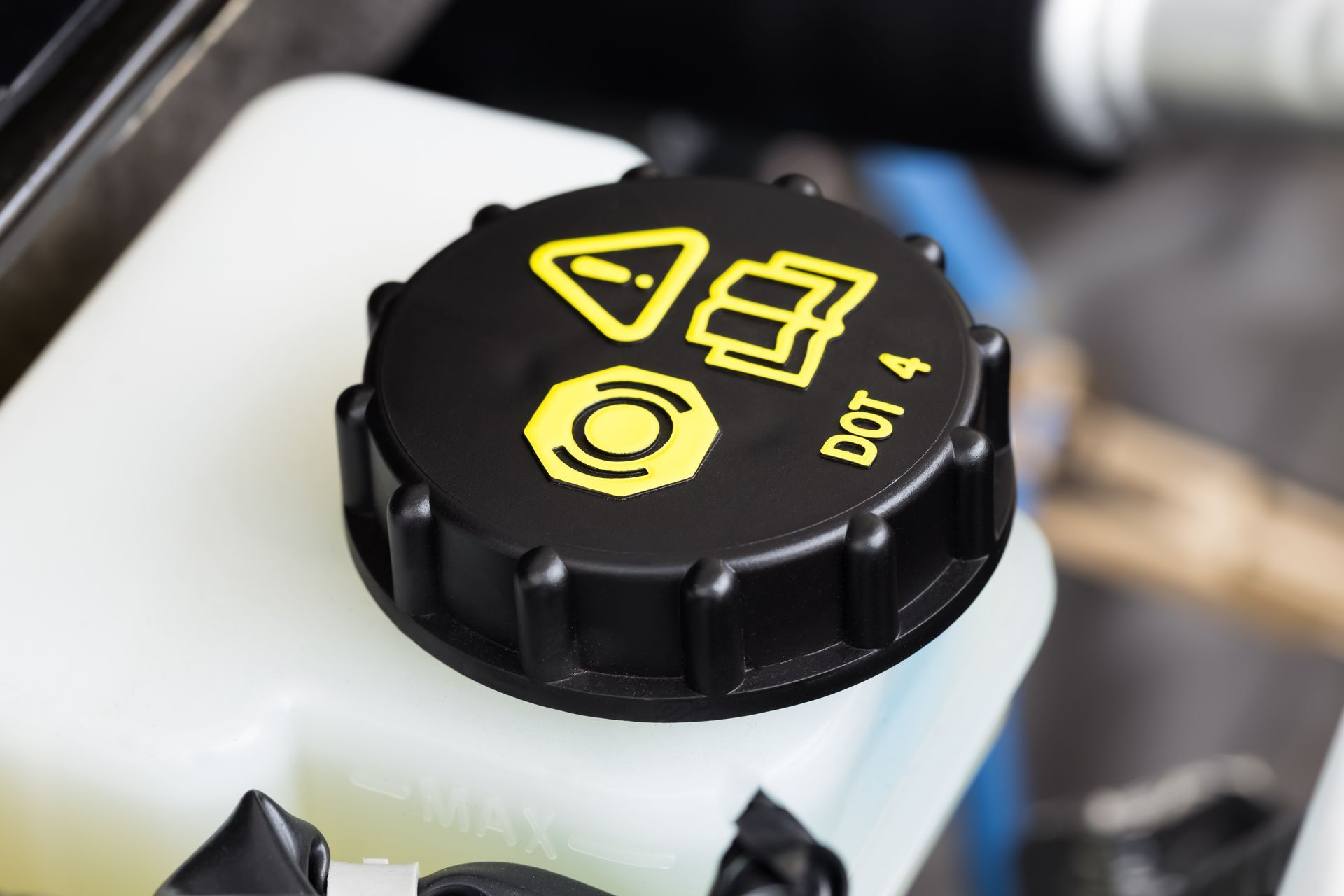
The cooling system needs pressure to raise the coolant's boiling point and maintain controlled temperatures. The radiator cap or reservoir cap helps hold that pressure. If the cap is weak, damaged, or not sealing properly, coolant can escape as vapor or overflow into places you may not notice.
A bad cap can also allow coolant to boil at a lower temperature. That can lead to coolant loss without a clear leak underneath. Caps are easy to overlook because they are small and inexpensive compared with major cooling system parts. Still, they play a big role in keeping the system sealed.
Coolant May Be Leaking Internally
Internal coolant leaks are the ones drivers worry about most. Coolant can enter the engine through a failed head gasket, cracked cylinder head, intake gasket problem, or other internal failure. When that happens, it may burn in the combustion chamber or mix with oil rather than drip outside the car.
Warning signs can include white exhaust smoke, rough starts, misfires, bubbling in the coolant reservoir, milky oil, overheating, or coolant loss that keeps returning after top-offs. Not every coolant loss problem is a head gasket. Still, if there is no external leak, internal leakage needs to be ruled out with proper testing.
A Heater Core Leak Can Hide Inside The Cabin
The heater core uses hot coolant to warm the cabin. If it leaks, the coolant may end up inside the HVAC case or on the passenger-side floor, rather than under the engine. Some drivers notice a sweet smell inside the car, greasy film on the windshield, damp carpet, or weak heat.
A heater core leak can be easy to miss at first. The coolant may collect slowly, especially if the leak is small. If the windows fog with a sticky film or the cabin smells sweet after the heat is turned on, the heater system should be checked.
The Water Pump Can Leak Only While Running
A water pump moves coolant through the engine and radiator. Many water pumps have a small weep hole that can leak when the internal seal starts failing. The leak may only appear while the engine is running, making it harder to catch after the vehicle has been parked.
A failing water pump may leave crusty stains near the pump, make noise, or allow coolant to drip onto belts and pulleys. On some engines, the pump is partly hidden, so the leak is not easy to see from above. A pressure test or close inspection can help confirm it.
Overheating Can Push Coolant Out
If the engine runs too hot, coolant can be pushed out through the overflow system. The driver may never see a puddle because the coolant escapes while driving or sprays lightly and dries. After the engine cools, the reservoir is low again.
Overheating can come from low coolant, a stuck thermostat, cooling fan trouble, radiator restriction, a weak water pump, air pockets, or a pressure problem. Once overheating occurs, it needs attention quickly. Repeated heat can damage gaskets, seals, hoses, and engine parts.
Why Topping Off Coolant Is Not A Repair
Adding coolant can bring the level back to where it belongs, but it does not address the cause. If the level drops again, the vehicle is asking for a closer look. Coolant should not disappear during normal driving.
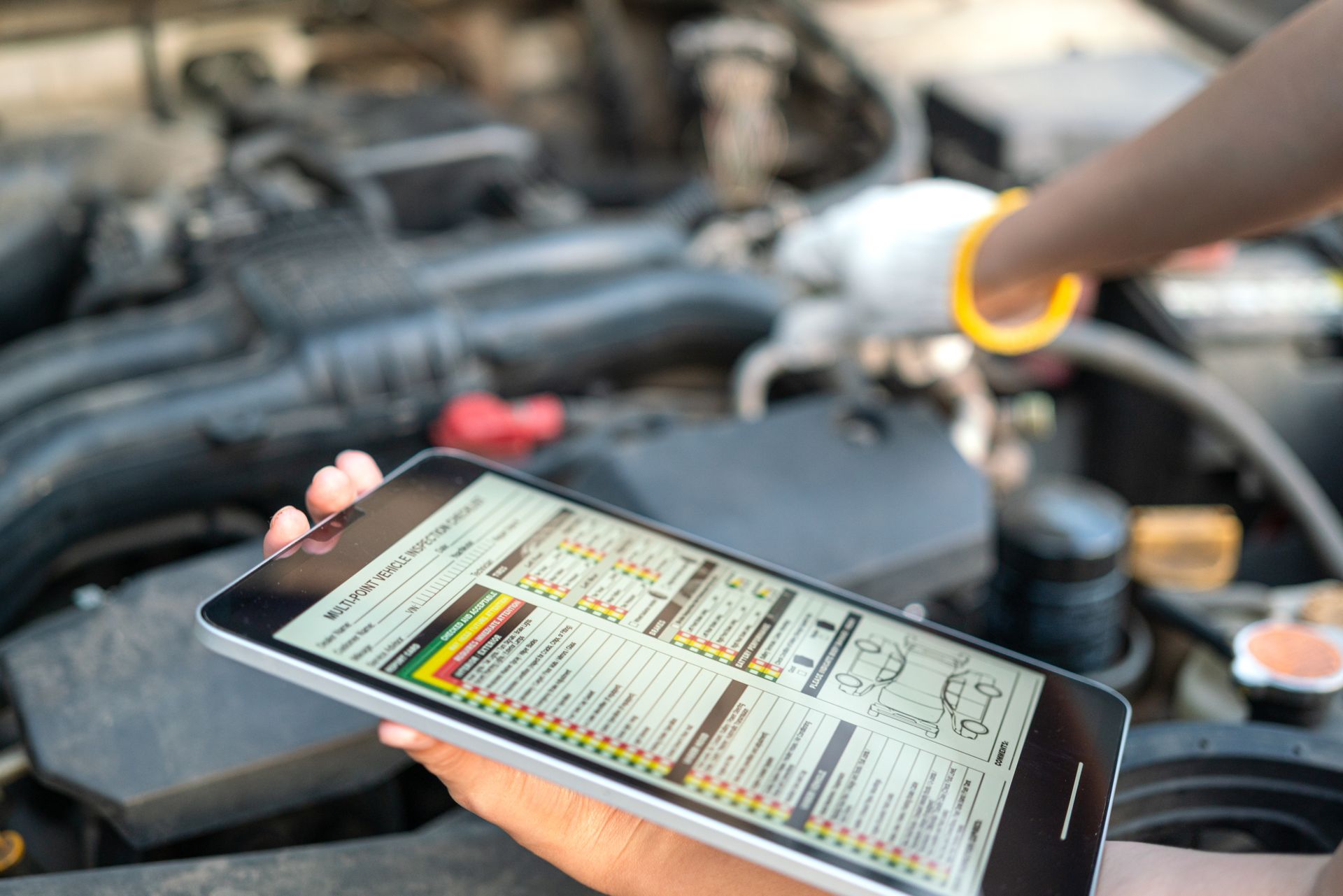
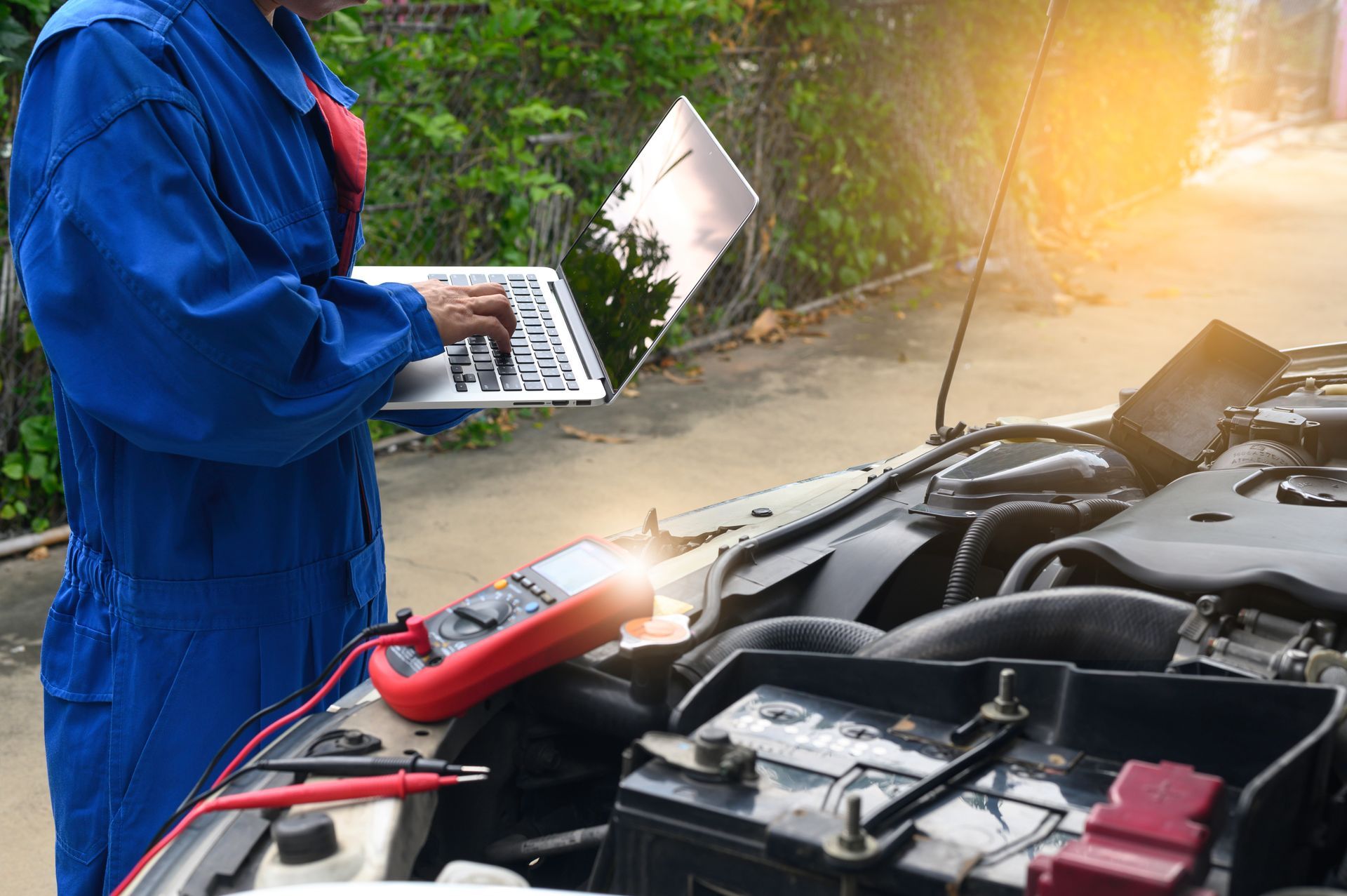
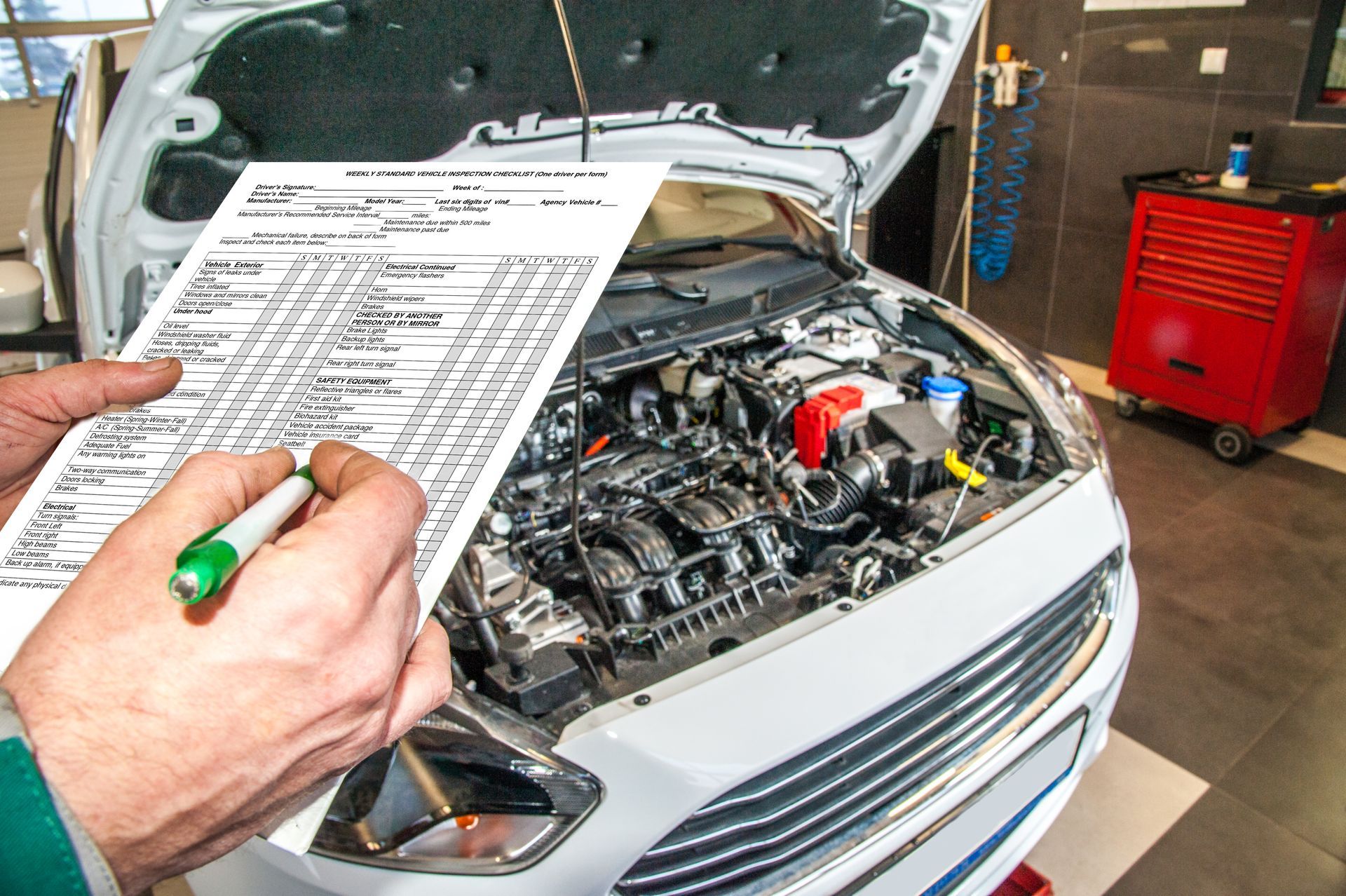
Regular maintenance helps catch weak hoses, aging clamps, old coolant, and crusty seepage before the system gets low enough to overheat. A proper check may include a cooling system pressure test, cap test, dye test, combustion gas test, visual inspection, and a look for signs of internal leakage. That testing keeps the repair focused on the real source instead of the most obvious part.
Get Coolant Leak Repair In Libertyville, IL, With Pit Shop Auto Repair
If your vehicle keeps losing coolant but there is no puddle under the vehicle, Pit Shop Auto Repair in Libertyville, IL, can pressure-test the cooling system and look for hidden leaks, internal leaks, cap issues, water pump trouble, and heater core problems.